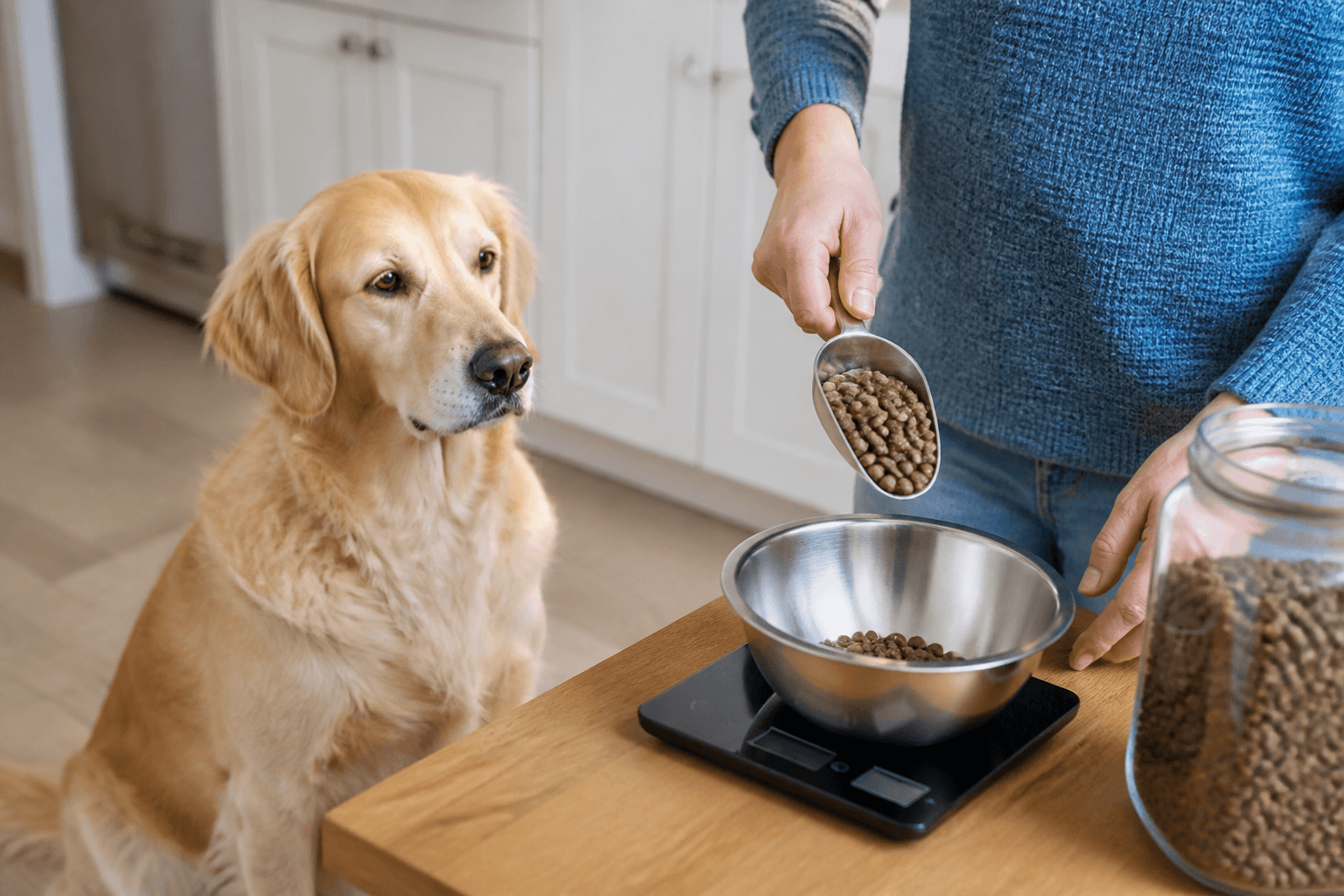
Tutor medindo com balança a porção diária de ração de um cão castrado

Image credit: Acervo pessoal: DogWise

Health9 min readPublished on August 17, 2026

Castration and weight gain: what is a myth and what to watch out for

Castration can change energy needs and appetite, but it does not make weight gain an inevitable fate. What appears on the scale results from the combination of calories ingested, activity, age, previous body condition, environment and health. The most common mistake is to automatically maintain the same portion while the dog starts to ask for more food or moves less during recovery.

The safest approach is not to cut food in half or change food on the day of surgery. It means recording a starting point, respecting recovery, reassessing portions with the veterinarian and monitoring the shape of the body over the weeks. This article is educational and does not replace veterinary consultation or an individualized nutritional plan.
The myth is born from a sequence that seems automatic

Many owners observe that the dog gained weight months after surgery and summarize the story in one cause: “it was castration”. Temporal proximity is real, but it often hides parallel changes. The animal may have reached adulthood, reduced playing, started receiving more snacks or maintained a diet calculated for another phase of life.

There is also a visual trap. Small increases distributed throughout the body appear discreet in everyday life. When the waistline disappears, the owner remembers a significant event, such as surgery, but not the extra spoonfuls accumulated. This does not mean blaming the family; it means exchanging a simplistic explanation for factors that can be measured and adjusted.

The American Kennel Club Health Guidelines section contains general information for owners, but your dog's energy needs and body condition should be evaluated by a professional. Race, size and age are not enough to define an accurate portion.

What can change after castration

Sex hormones participate in processes that influence metabolism, appetite and behavior. After neutering, some dogs may need less energy to maintain the same weight. Others show more interest in food. The intensity and timing of these changes varies, so a fixed reduction rule serves everyone poorly.

The routine also changes. During recovery, there is a temporary restriction on running, jumping and playing. If the portion and treats remain the same, a short period of lower spending appears. After veterinary approval, some families do not resume their previous activity out of fear or convenience. The temporary period turns into a sedentary routine.

There is also the age transition. Many dogs are neutered near the transition between growth and adulthood. At this stage, needs may change independently of the surgery. Continuing to offer puppy food or a growing dog's portion deserves professional review.

Before surgery, create a useful reference

If possible, record the weight on a reliable scale and ask your veterinarian to evaluate the body condition score. This score considers ribs, waist and abdominal contour, not just kilograms. Two dogs of the same weight can have very different proportions of fat and lean mass.

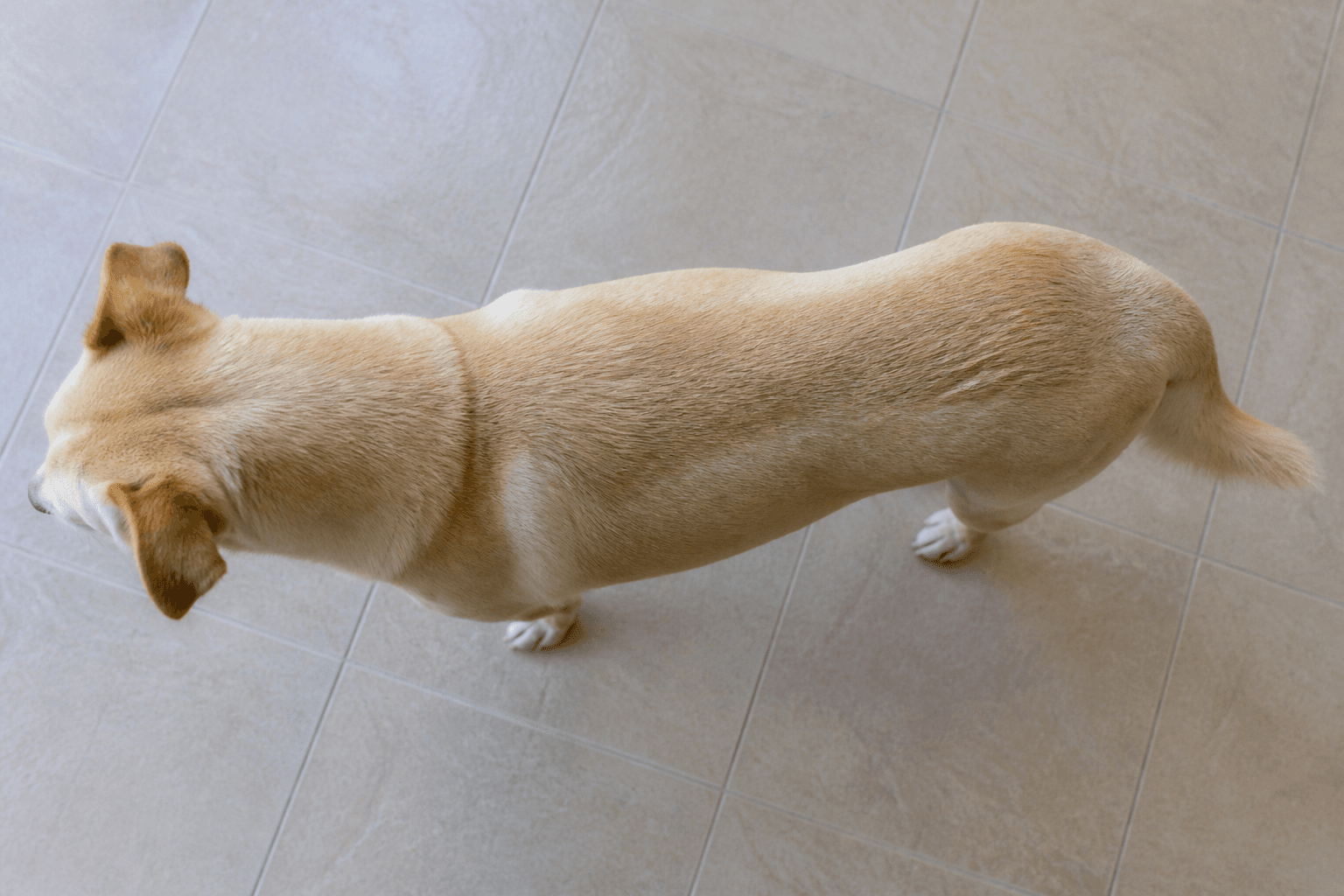
Photograph the dog standing up, from above and from the side, on the same floor and without wet hair. The image does not replace examination, but helps to notice gradual changes. In dogs with long coats, run your hands over the ribs and waist, as the volume of hair can hide the contour.

Write down for three days everything that enters your mouth:

  • measured ration, including supplements;
  • training snacks;
  • food offered at the table;
  • stuffed items for enrichment;
  • portions given by other people;
  • products used to hide medications.

This inventory often reveals “invisible” calories. It is not uncommon for the main amount to seem adequate while the extras are distributed among several residents.

Surgical recovery is not a weight loss program

For the first few days, follow staff instructions regarding food, water, medication, collar or surgical clothing, and activity restrictions. Nausea, pain, constipation, or altered appetite should be reported. Don't take advantage of a possible lack of appetite to start a diet and don't force exercise to compensate for immobility.

Avoid changing the food immediately, unless recommended by a veterinarian. A sudden change can cause gastrointestinal discomfort and confuse postoperative evaluation. If the dog needs to take medicine with food, confirm that the amount and option are appropriate.

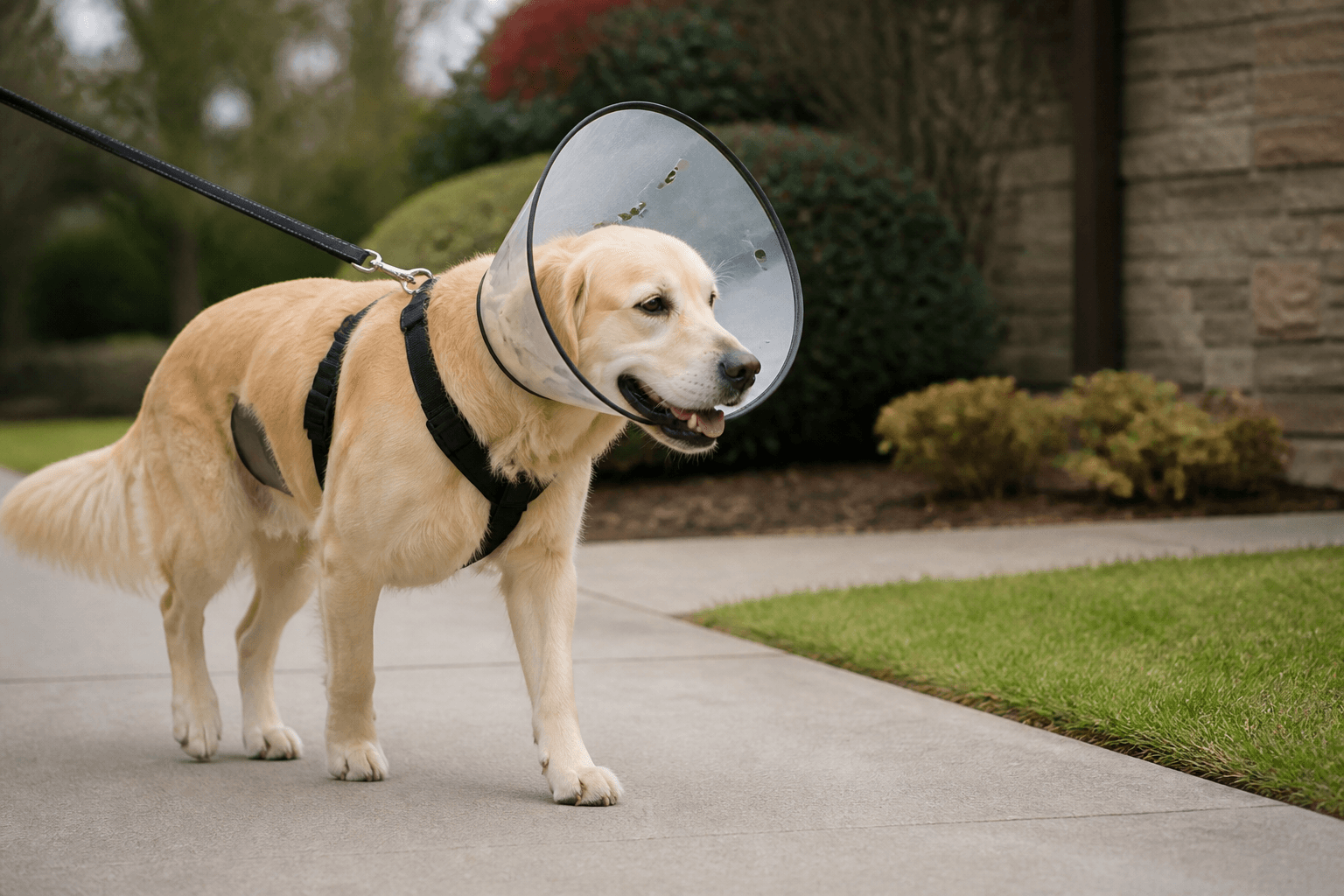
After release, resume walks gradually. The downtime varies depending on technique, recovery and professional guidance. Too much early activity can harm healing; Unnecessary delay can consolidate inactivity. The calendar must come from the clinic, not from comparison with another animal.

Cão castrado em pé visto de cima para acompanhamento visual da cintura
Image credit: Acervo pessoal: DogWise

The package portion is a beginning, not a sentence

Packing slips often feature banners. They cannot accurately incorporate all factors of the individual. Use the recommended amount as a starting point discussed with your veterinarian and adjust according to changes in weight and body condition.

Measure the portion with a kitchen scale when possible. Cups vary in size and the volume changes depending on the shape and density of the grain. A small difference per meal, repeated daily, becomes relevant. Weighing for a few days also teaches you how much the usual measurement actually contains.

Dividing the daily total into two or more meals can make the routine easier and reduce the human feeling that the bowl remains empty for too long. The total, however, remains the same. Sharing does not authorize adding a portion.

If snacks are necessary for training, reserve part of the food itself or count the extras in the total. Break rewards into small pieces: for the dog, frequency and opportunity to get it right may matter more than the size of each reward.

Is food “for castrates” mandatory?

No. Some dogs adapt well to adjusting the amount of their usual food; others benefit from a formulation with a different energy density, fiber or specific nutritional profile. The choice depends on the state of health, satiety, digestive tolerance, stage of life and objective.

The “neutered” label alone does not guarantee suitability. Compare complete food for life stage, caloric density, professional recommendation and dog response. Reducing a common ration too much can make it difficult to offer nutrients in adequate quantities; on the other hand, changing products without controlling snacks does not solve the excess.

Water or wet food can participate in the strategy in selected cases, but they do not eliminate calories. The article about wet or dry food on hot days helps to think about hydration and meal presentation without treating one option as automatically superior.

How to recognize a trend before it becomes obesity

During the first few months, weigh the dog at the frequency recommended by the clinic. If you don't have a suitable scale at home, take advantage of returns and establishments that allow safe measurement. Always compare similar conditions, as meals, evacuation and equipment produce small variations.

To touch, the ribs should be noticeable without excessive pressure, but there is no single description that fits all. Seen from above, a waist is often identifiable; On the side, the abdomen tends to rise towards the rear region. Coat, breed conformation and posture change appearance, which is why the professional must teach the dog the assessment itself.

More important than an isolated number is the trend. Continuous gain in two or three checks deserves review before it becomes big. Also note loss of stamina, exercise intolerance, difficulty climbing steps or getting up. These signs can accompany being overweight, but also illness and pain.

Not everything gained after surgery is “just food”

If the weight increases despite actually measured portions and compatible activity, the veterinarian may investigate medical conditions, medications and other causes. Abdominal enlargement, hair loss, skin changes, excessive thirst or urination, weakness and marked changes in behavior are relevant information.

Don’t aggressively restrict calories to “test” if it works. Weight loss needs to preserve lean mass and meet nutritional needs. Improvised diets, supplements or substitution with unformulated homemade foods can create imbalances.

The opposite also matters: unexpected weight loss after castration should not be automatically celebrated. Prolonged food refusal, vomiting, diarrhea, pain or muscle reduction require evaluation.

Cão passeando calmamente na guia após liberação veterinária da castração
Image credit: Acervo pessoal: DogWise

Satiety does not just depend on filling the pot

Some dogs ask for food out of habit, attention, anxiety or opportunity, not just out of energetic need. Always responding with food reinforces the behavior. Before offering an extra, consider a short walk, interaction, rest, access to the bathroom or compatible toy.

Food enrichment can extend the meal, as long as it is safe and uses the portion accounted for. Licking mats, dispensing toys and fetching grains around the house need to be dog-friendly and supervised. Animals that destroy and ingest objects require another strategy.

Organize the family. A simple table with the daily portion avoids double feeding. Separate everything that will be served in the morning; When the container runs out, the extras for that day are also gone. This measure transforms intention into concrete control without depending on the memory of several people.

A follow-up plan without obsession

In the first week, prioritize healing and post-operative signs. After release, resume progressive activity. In the following weeks, observe your weight, body contour, appetite, and exercise capacity. Take the records back and adjust one factor at a time when possible.

If the portion changes, keep measuring consistent before concluding whether it worked. If activity increases, respect conditioning, climate and joints. Simultaneous and radical changes make it difficult to know what helped and can make the routine unsustainable.

The goal is not to pursue visual thinness, but to maintain a healthy body condition, energy for activities and sufficient nutrition. The individual goal must be defined with the veterinarian.

Frequently asked questions

Does every neutered dog gain weight?

No. Surgery can favor changes in energy needs or appetite, but the gain depends on the balance between intake, expenditure and other factors. Early monitoring and adjustments make prevention possible.

Do I need to reduce the food on the day of castration?

Do not do automatic reduction. Follow the fasting, post-operative nutrition and portion guidelines given by the clinic. Immediate recovery is not the time to improvise a weight loss program.

When should I switch to castrate food?

There is no universal deadline or obligation to use this label. The decision must consider stage of life, body condition, caloric density, satiety and health. Chat upon return before exchanging.

Is walking worth extra snacks?

This account is inaccurate and may encourage excessive exercise. Control snacks within the daily total and offer activity compatible with health and fitness, not as punishment for eating.

How long after surgery can weight change?

Gradual changes may appear over weeks or months, but the interval varies. Therefore, record a starting point and follow the trend instead of waiting for an obvious change.

Conclusion

Castration is not synonymous with obesity. It can change the metabolic and behavioral context, while recovery, age and family habits complete the equation. The best antidote to the myth is to measure: know the initial body condition, count everything the dog eats, resume activity with release and monitor trends.

Avoid extreme diets and automatic food changes. If there is continuous gain, intense hunger, decreased mood or other symptoms, contact your veterinarian. An individual adjustment made early is often safer and simpler than trying to correct many pounds later.